ST Brand Book
Comprehensive Guidelines
A 100+ page brand guidelines document providing complete specifications for maintaining visual consistency across all brand touchpoints, empowering teams to execute the brand correctly and confidently.
CLIENT
ST Corporation
PROJECT TYPE
Brand Guidelines
LOCATION
Dubai, UAE
PAGES
100+
The Challenge
ST Corporation had invested significantly in developing a strong brand identity, but faced a critical challenge: inconsistent brand application across their growing organization. With multiple offices across the UAE, dozens of employees creating marketing materials, and various external agencies producing campaigns, the brand was becoming fragmented.
Marketing teams were using different logo versions. Sales materials featured inconsistent color palettes. Social media assets didn't match website designs. Trade show booths looked disconnected from product packaging. This visual inconsistency was eroding brand recognition and diluting the brand equity they'd worked hard to build.
The root cause was simple: no centralized brand documentation. Employees couldn't access clear guidelines. Agencies were improvising. New hires had no onboarding materials explaining brand standards. Questions about logo usage, color specifications, or typography required emails to busy executives who gave inconsistent answers.
ST Corporation needed more than just a PDF with logo files. They needed a comprehensive brand book that would serve as the single source of truth—a reference manual that answered every conceivable brand question, from technical specifications to philosophical principles. The challenge was creating documentation that was thorough enough to ensure consistency yet practical enough for non-designers to understand and implement.
Our Approach
1. Brand Audit & Documentation Needs
We began by conducting a comprehensive audit of existing brand applications. We collected marketing materials, photographed environmental branding, reviewed digital assets, and interviewed stakeholders across departments. This revealed:
- • 12 different logo variations being used (only 3 were officially approved)
- • Color inconsistency across print and digital, with no standardized values
- • Typography chaos with 8+ fonts being used instead of the intended 2
- • No clear hierarchy for secondary brand elements and patterns
- • Confusion about Arabic branding with inconsistent RTL layout approaches
2. Information Architecture & Structure
Based on our audit and stakeholder interviews, we developed a detailed outline for the brand book. The structure needed to serve three audiences:
- • Marketing/Creative Teams: Needing comprehensive technical specifications
- • External Agencies: Requiring clear rules and asset access
- • General Employees: Looking for quick guidance on common applications
We organized the book into progressive layers: starting with brand philosophy and strategy (the "why"), moving to core visual identity elements (the "what"), and concluding with application guidelines (the "how"). Each section would build on previous concepts, creating a narrative rather than just a reference manual.
3. Content Development & Visual System
We created comprehensive documentation for every brand element:
4. Application-Specific Guidelines
The second half of the brand book provided detailed application guidelines across major touchpoints:
- • Business Stationery: Letterhead, business cards, envelopes with precise measurements
- • Marketing Collateral: Brochures, flyers, presentations, trade show materials
- • Digital Assets: Social media templates, email signatures, website guidelines
- • Packaging & Products: Label design, product branding standards
- • Environmental Design: Signage, wayfinding, office interior branding
- • Uniforms & Apparel: Employee clothing and branded merchandise
- • Vehicles & Fleet: Car wraps and transportation branding
Each application section included annotated examples showing correct layout, spacing, color usage, and technical production notes.
5. Practical Tools & Templates
Beyond documentation, we developed practical resources: a comprehensive asset library with organized logo files (EPS, PNG, SVG in various formats), template files for common marketing materials, quick-reference checklists for brand compliance, and vendor contact information for approved printers and production partners. The goal was making it as easy as possible for teams to "do the brand right" rather than improvising.
Inside the Brand Book
A comprehensive reference covering every aspect of the ST brand—from philosophy to pixel-perfect specifications.
Logo System
Primary and secondary logo variations with clear usage guidelines for different contexts.

Color Palette
Comprehensive color system including primary, secondary, and accent colors with CMYK, RGB, and Pantone values.

Typography
Font specifications, hierarchy guidelines, and typographic treatments for various applications.

Brand Elements
Supporting visual elements, patterns, and graphic devices that extend the brand language.
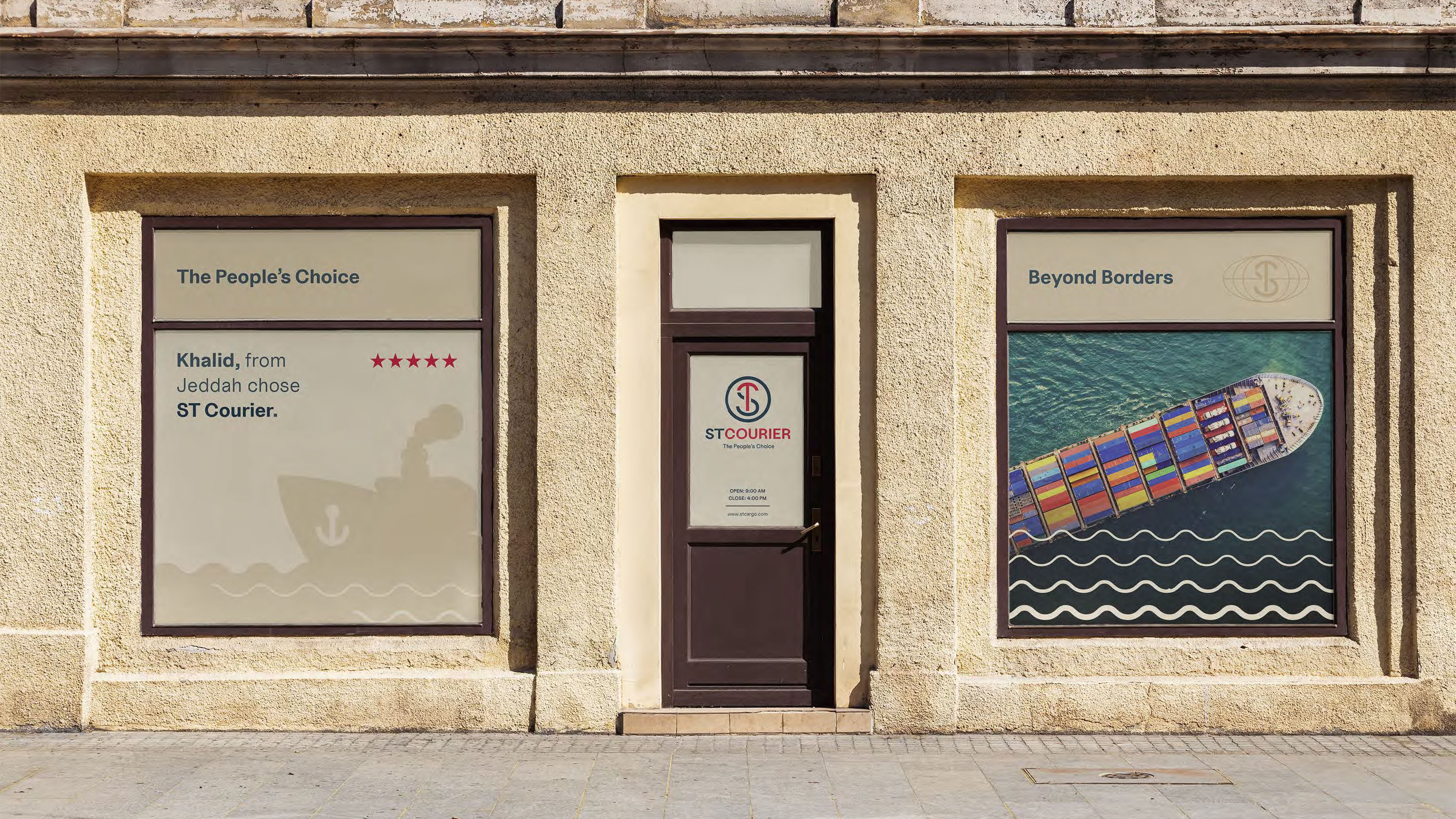
Photography Style
Visual guidelines for photography including composition, lighting, color treatment, and subject matter.
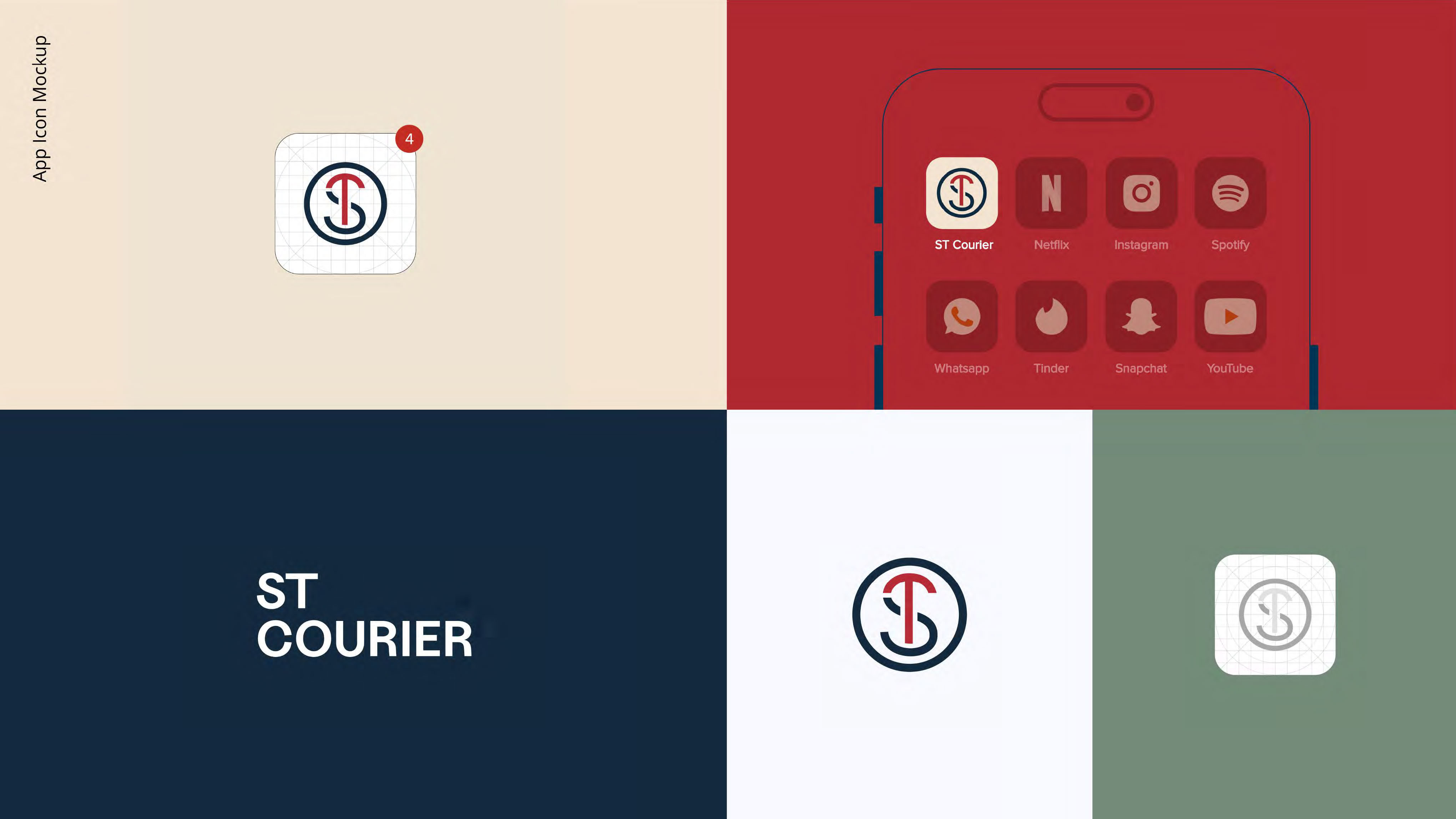
Application Examples
Real-world applications demonstrating how brand elements work across different mediums.
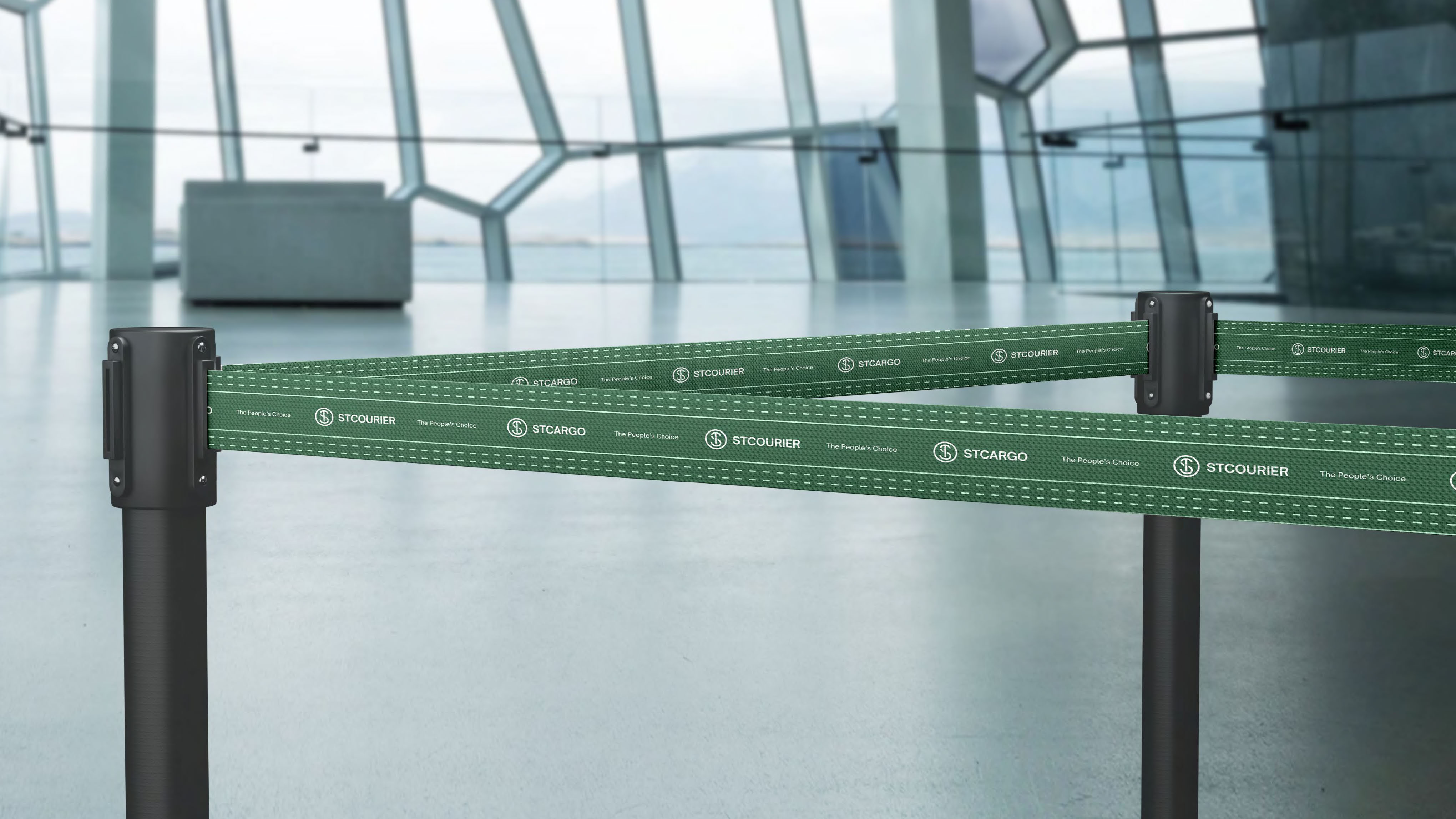
Business Stationery
Letterhead, business cards, envelopes, and corporate document templates.

Marketing Materials
Brochures, flyers, posters, and promotional material specifications.

Digital Guidelines
Social media templates, email signatures, and digital asset specifications.
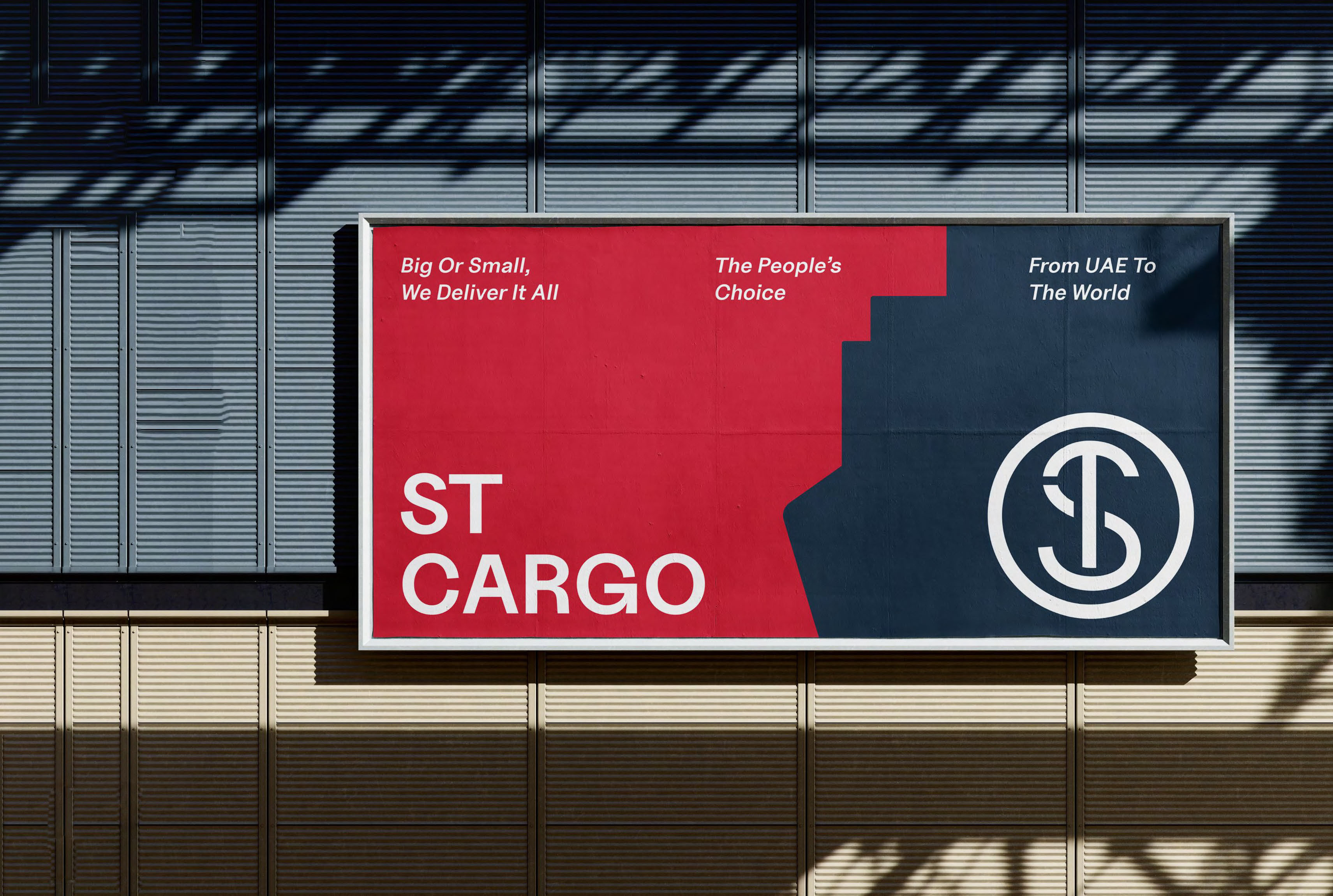
Environmental Applications
Signage systems, wayfinding, and physical space branding guidelines.

Packaging Standards
Product packaging design principles and technical specifications.
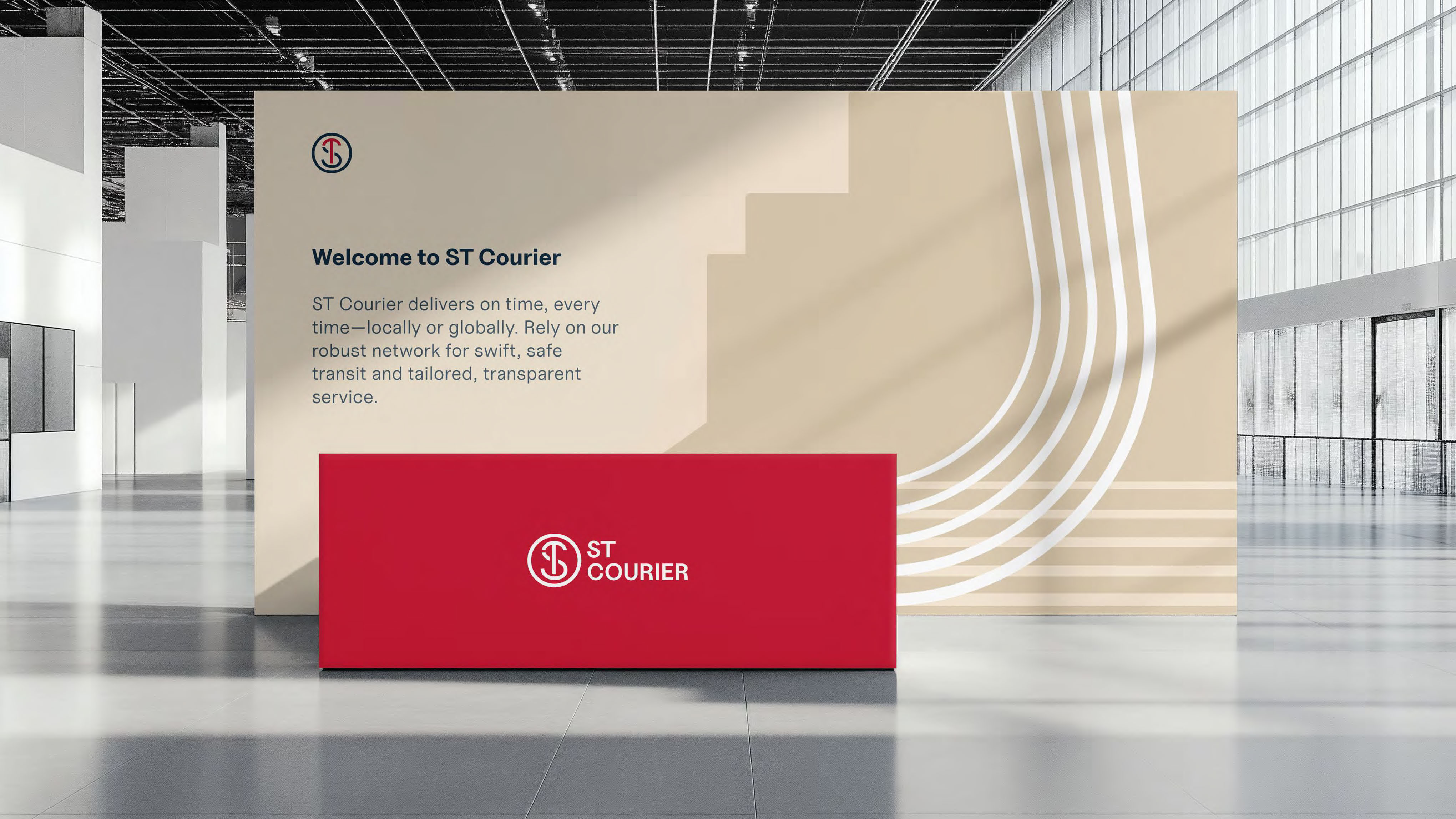
Brand Voice
Tone of voice guidelines, messaging frameworks, and communication principles.
Results & Impact
The ST Brand Book launched internally with a company-wide presentation and training sessions. Within three months of implementation, the impact was measurable across the organization:
Reduction in brand-related questions to marketing leadership
Faster approval process for marketing materials using guidelines
Of employees reported the brand book was "easy to understand and use"
Operational Efficiency: The brand book dramatically reduced the time teams spent on brand-related decisions. Previously, creating a simple brochure might involve multiple rounds of feedback addressing color choices, logo placement, or font usage. With clear guidelines in hand, most materials now go through with minimal revisions. Marketing managers report spending less time policing brand standards and more time on strategic work.
External Agency Relationships: Working with external creative agencies became significantly smoother. New agencies receive the brand book during onboarding and immediately understand brand expectations. Project kickoffs are faster, revisions are fewer, and final deliverables consistently meet brand standards. Multiple agencies have commented that ST's brand documentation is "the most comprehensive they've seen."
Brand Consistency Achieved: Most importantly, the fragmented brand presentation that prompted this project has been resolved. Walk into any ST office, visit their trade show booth, scroll their social media, or receive their packaging—the visual experience is now coherent and consistent. This consistency has strengthened brand recognition and reinforced ST's positioning as a professional, detail-oriented organization.
Living Document: The brand book isn't static. We designed it as a living system that can evolve. When ST launches new product lines or expands to new markets, we update the guidelines to cover new scenarios. The digital version allows ST's marketing team to make minor updates themselves, while major revisions come back to us for professional refinement. This ensures the documentation remains relevant and useful as the business grows.
Key Principles for Effective Brand Guidelines
Clarity Over Complexity
Brand guidelines fail when they're intimidating or confusing. We prioritized clear language, visual diagrams, and practical examples over design jargon. Every rule is explained not just with "what" but "why"—helping users understand the rationale behind guidelines, which leads to better compliance and more thoughtful application.
Show Don'ts, Not Just Dos
Some of the most valuable pages in the brand book are the "Don't" examples—showing common mistakes to avoid. These examples, drawn from real errors we found during the audit, prevent the same mistakes from recurring. People often learn more from seeing what NOT to do than from abstract rules about what's correct.
Make It Accessible
The most comprehensive brand guidelines are useless if no one can find them. We delivered the ST Brand Book in multiple formats: a beautifully printed reference manual for executives and designers, a PDF for digital distribution, and an online resource hub with searchable content and downloadable assets. Easy access dramatically increases actual usage.
Design the Guidelines in the Brand Style
The brand book itself should exemplify the brand standards it documents. We designed every page of the ST Brand Book using their typography, colors, layouts, and photography style. This serves as continuous example throughout the document and demonstrates that the brand system is flexible enough to accommodate even extensive documentation while remaining visually engaging.
Related Services
Brand Identity Design
Complete visual systems that define your business personality and ensure consistency across every touchpoint.
Logo Design
Custom logos that capture your brand essence and work perfectly across all applications.
ST Courier Case Study
See how we created a complete brand system for a UAE courier service from the ground up.
Need Brand Guidelines?
Whether you're creating comprehensive documentation for an existing brand or need guidelines as part of a new brand identity project, we ensure your brand stays consistent as you grow.